


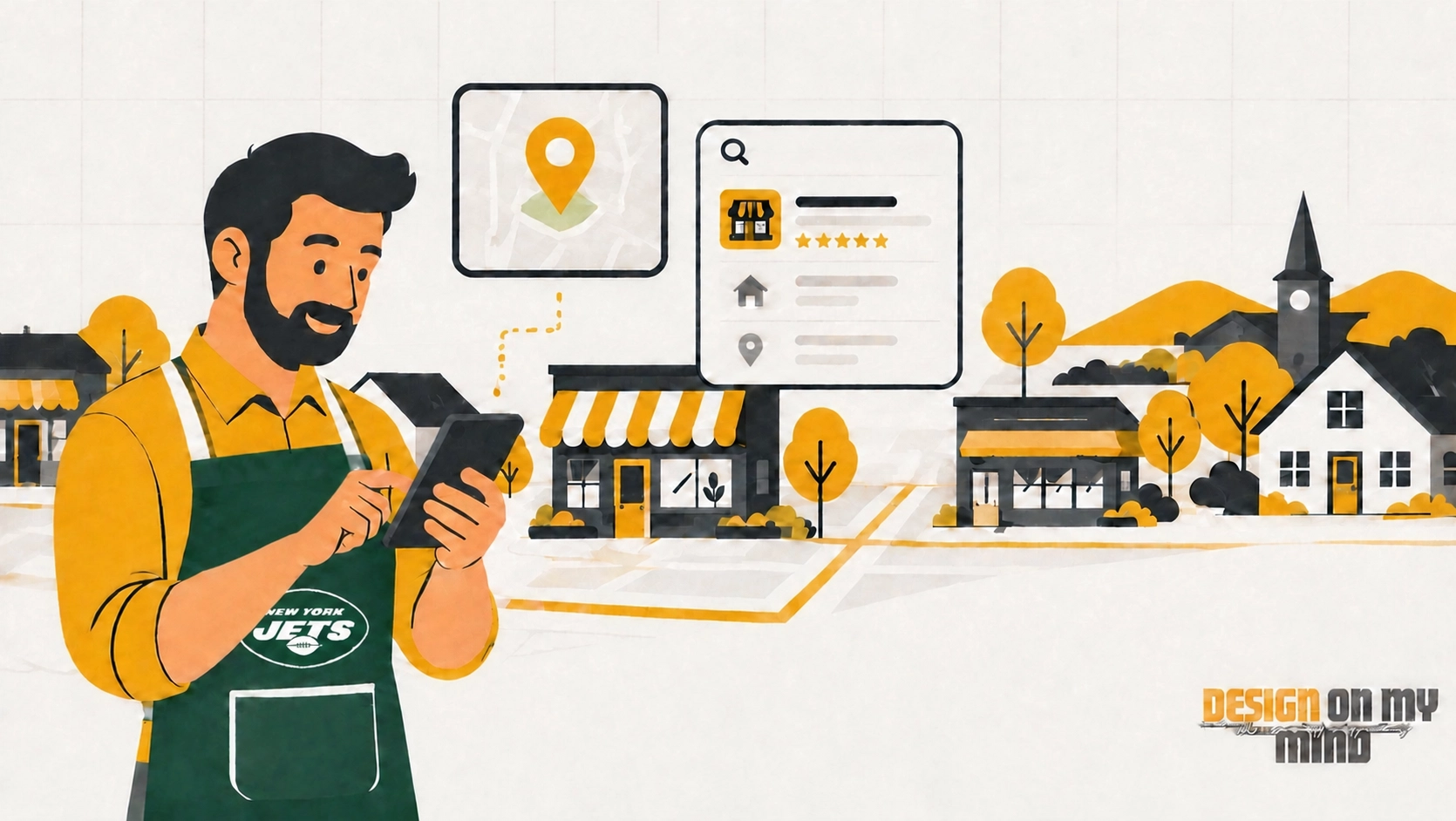
When someone nearby searches for a service you offer, will they find your business, or a competitor’s?
That’s the practical promise of local SEO: helping nearby customers discover your business when they’re looking for what you do. Whether you run a law firm, a lawn care company, a shop, or a new service business in Summit, New Jersey, you can take clear steps to improve your visibility.
No tech degree required. Think of local SEO as making it easy for Google, and your future customers, to understand what you do, where you work, and why they can trust you. It works a bit like following the Giants, the Jets, or the Bills: the fans who show up every week, rain or shine, are the ones who get rewarded when the team finally makes a run. Show up for your local SEO consistently, and the rankings tend to follow.
How local SEO works
Google says local results are mainly based on relevance, distance, and prominence. In everyday language: how well your business fits the search, how close it is to the person searching, and how established or well-known it appears. Distance isn’t something you can control, but you can make your business information more relevant and build genuine trust over time.
Here are five local SEO strategies to help you get started.
1. Complete your Google Business Profile
Your Google Business Profile can help your business appear in Google Search and Maps. Start by claiming and verifying it, then fill out every field you can accurately complete.
Check your:
- Business name and primary category
- Phone number, website, and hours
- Address or service area
- Services, description, and photos
Use your real-world business name. Choose the category that best describes what your business does, rather than adding extra keywords to your name. Keep details current, especially holiday hours and phone numbers. A profile that says you’re open when you’re not is a fast way to disappoint someone who was ready to call.
If you travel to customers rather than serving them at a storefront, set up your service area appropriately. Google’s guidelines for representing your business explain how to handle addresses and service areas.

2. Make your website clear about your services and locations
Your website should quickly answer three questions: What do you do? Who do you help? Where do you work?
Give each core service a clear page with an everyday-language description, the areas you genuinely serve, and an obvious next step, such as calling, requesting a quote, or booking a consultation. If you’re a Summit business serving nearby communities, name those places where it makes sense, but don’t create a pile of near-identical pages just to insert town names. Helpful information beats a list of locations.
Your contact details should be easy to find and consistent with your Business Profile. A mobile-friendly site matters, too: local customers often search while they’re out and need to tap to call, get directions, or send an inquiry without pinching and zooming.
Good small business web design supports SEO by giving visitors a clear, usable path from search to contact. If you’re comparing options for Business website design New Jersey businesses need, look for a site that reflects your services and works well on phones, not just one that looks nice on a desktop.

3. Build trust with real reviews and local reputation
Reviews help potential customers decide whether to reach out. They can also contribute to your business’s prominence in local results. The best approach is simple: provide thoughtful service, then make it easy for customers to share an honest review.
You can invite customers to leave feedback, but don’t offer rewards in exchange or ask only happy customers. Google’s review policies explain what’s allowed. And when a review arrives, reply politely, whether it’s glowing, mixed, or critical. A calm, helpful response shows future customers that a real person is listening.
Your reputation can grow beyond reviews, too. Local partnerships, community involvement, and mentions from reputable local organizations can help more people learn about your business. Focus on real relationships and useful contributions, not shortcuts that promise instant rankings.

4. Keep your business information consistent
Your business details appear in more places than your website and Google profile. Customers might find you in a local directory, a professional association, or a community website. If your business name, phone number, or address varies across listings, people can get confused, and it makes your information harder to verify.
Choose one accurate version of your core details and use it consistently. Update important listings when your phone number, address, or hours change. Prioritize trusted, relevant places where customers might actually look; you don’t need to submit your business to every directory on the internet.
Google explains that it uses information from multiple sources to understand businesses. Keeping your official website and other credible references accurate helps people, and search platforms, get a clearer picture of who you are.

5. Measure what’s working, then improve
Local SEO is a steady process, not a one-time switch. Check which searches bring people to your website, which pages get visits, and whether those visits turn into calls, form submissions, or bookings.
Start with a few practical questions:
- Are people finding your key service pages?
- Do visitors know what to do next?
- Are the calls and inquiries coming from the areas you serve?
- Is your Business Profile information still accurate?
Google’s guidance on improving local rankings is a useful reference. It also makes clear that there’s no way to request or pay for a better local ranking. So be wary of anyone promising a guaranteed spot at the top. Aim for accurate information, a helpful website, and a strong real-world reputation, then keep learning from the results.
A local website should turn visibility into action
Getting found is important. Making a strong first impression once someone clicks is just as valuable. Your site should explain your offer clearly, load well on mobile, and make it easy to contact you.
That’s where Web design Summit NJ businesses can benefit from a thoughtful mix of design and local search optimization. At Design On My Mind, we help business owners connect the pieces: strategy, custom website design, development, and search engine optimization services. We’ll guide you step by step, explain the options in plain English, and shape the work around your goals.
If your site is outdated, or you’re starting from scratch, we can help you build a digital foundation that supports your local SEO for small businesses and gives nearby customers a clear next step.
Start with one step
You don’t have to tackle everything this week. Claim your Business Profile, check your contact details, or improve one important service page. Small, consistent improvements can make your business easier to find and easier to choose.
Want a friendly second opinion on your local SEO or website? Talk with Design On My Mind. We’re here in New Jersey, and we’ll help you figure out a practical next step, no pressure, no jargon.