


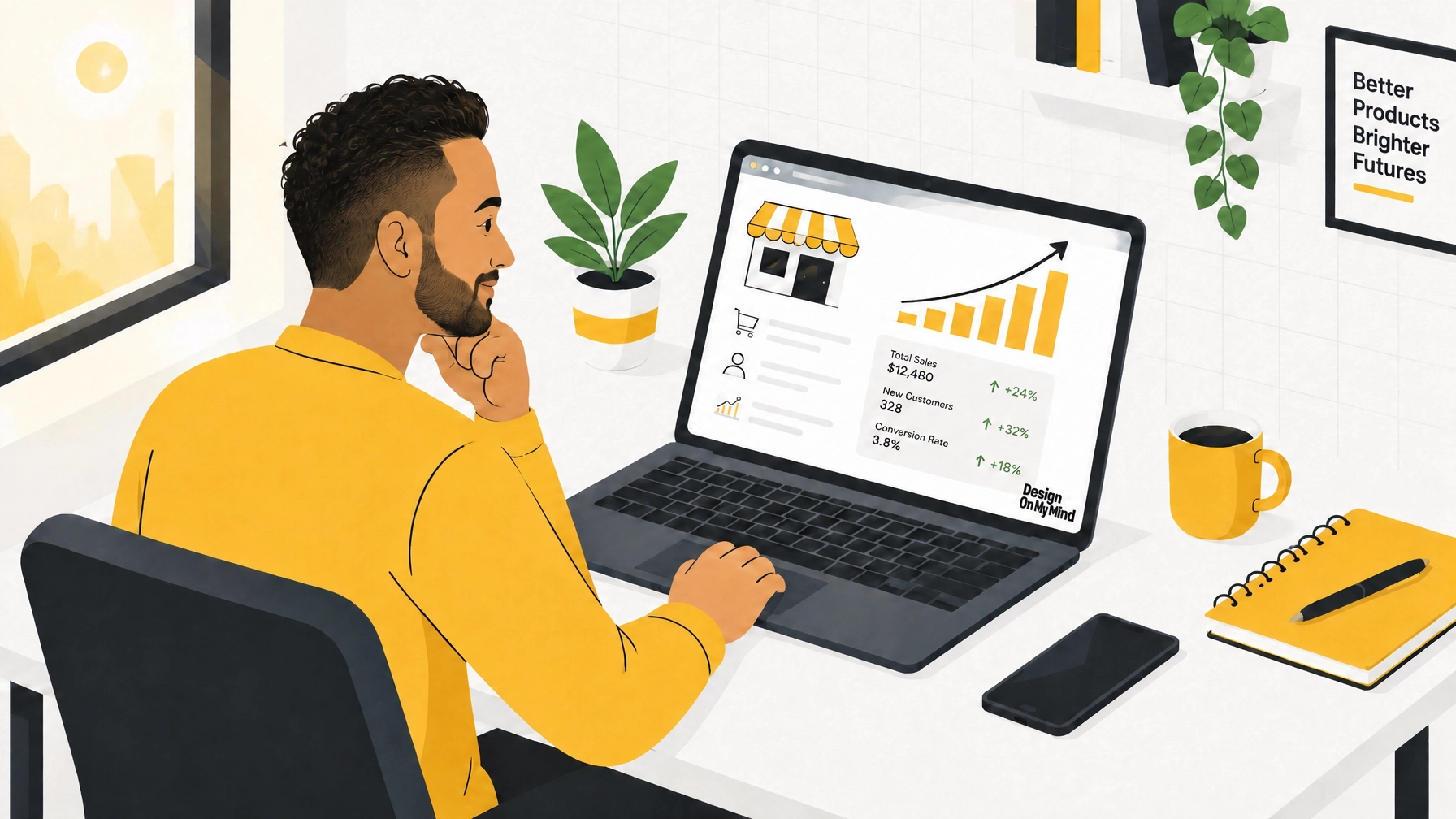
Could a website help you bring in an extra $500 a day someday? It’s an exciting goal, but no website can guarantee that kind of income. What it can do is give you a place to offer a service, sell a product, share expertise, and build a business beyond your regular work hours.
And you don’t necessarily need a huge budget to get started. With a clear idea, a focused website, and a willingness to learn what customers need, you can take your first steps without building a complicated online empire.
Your website is a starting point, not a paycheck
A website is a tool for turning an idea into something people can find, understand, and act on. It might help you book your first client, test demand for a product, or grow an audience around knowledge you already have.
That distinction matters. A website doesn’t automatically bring customers or income. You still need an offer people want, a way to reach them, and a plan to deliver what you promise. Think of your site as the home base for that work, not a shortcut around it.
If you’re still exploring possibilities, that’s completely okay. You don’t need every detail figured out before you begin.

Three realistic ways to build a business around a website
1. Offer a service
If you have a skill people need, a service-based website can be one of the simplest models to test. You might offer bookkeeping, lawn care, tutoring, photography, consulting, or design. A focused site can explain what you do, who you help, where you work, and how to request a quote.
You don’t need hundreds of visitors if the right people can find you and understand your offer. A handful of qualified inquiries may be more useful than a large number of casual visits.
2. Sell a product
An online shop can sell physical goods, digital downloads, handmade items, or products created for a particular audience. Before investing heavily in stock, test whether people want what you plan to sell. A small product range, preorders, or digital products may let you learn without taking on as much upfront cost.
Remember to account for more than the website itself. Products, packaging, shipping, payment fees, returns, and customer support all affect what you keep.
3. Publish helpful content
A blog, newsletter, or resource site can build trust with people interested in a specific topic. Over time, that audience might support income from services, digital products, sponsorships, affiliate links, or advertising.
This route often takes patience. Advertising, for example, depends on factors such as audience and advertiser demand; Google explains how its AdSense program works. Useful content can also help people discover a service or product you offer, so you don’t have to rely on ad revenue alone.

Start lean. Spend where it helps you move forward.
Your first website doesn’t have to include every feature you might want a year from now. Begin with the essentials: a clear explanation of your offer, a way to contact you or buy, and a site that works well on a phone.
Then decide what you can handle yourself and where support would save time or help you look more professional. A DIY site may be a reasonable way to test an idea. If you need a more tailored experience, custom website development can help make the site fit your goals, services, and customers.
For a concrete reference point, Design On My Mind’s published web development options include a three-page MindStart website for $349 and a five-page MindGrow option for $699. The web development page lists what each package includes. Review the details and confirm what’s right for your needs before choosing; the best fit depends on the work your site needs to do.
If you’re comparing affordable web design in NJ, look beyond the headline price. Check what pages are included, who provides the copy and images, how revisions work, whether the site is mobile-friendly, and what ongoing hosting or maintenance may cost. A clear scope helps you avoid paying for features you don’t need, or missing essentials you do.
The U.S. Small Business Administration recommends planning for both one-time and recurring costs when you start a business. Its business planning guidance can help you think through expenses such as licenses, insurance, marketing, and professional services, in addition to website costs.
A practical way to test your idea
Before you spend months building, try this simple sequence:
- Choose a specific customer. “Everyone” is hard to reach. A particular group (like independent therapists, busy homeowners, or local restaurants) gives you a clearer place to start.
- Ask what they need. Talk with potential customers. Listen for recurring problems and how they currently try to solve them.
- Make one clear offer. Describe the service or product, who it helps, and the next step. Keep your first version manageable.
- Build only the pages you need. A clear home page, offer or service page, and contact or checkout path can be enough to begin testing.
- Invite real people to visit. Share your site with relevant communities, professional contacts, and potential customers. Make sure your outreach is respectful and appropriate.
- Learn from what happens. Track inquiries, bookings, and sales, not just visits. Ask people what was clear and what questions they still had.
These steps aren’t a formula for instant income. They’re a way to reduce guesswork and learn before you commit more time or money.
When should you consider leaving your 9-to-5?
It’s natural to picture the moment your online business can replace your paycheck. Keep that dream, but protect yourself while you work toward it.
Revenue is not the same as profit. Before making a major change, understand your business expenses, taxes, personal budget, and how steady your sales have been. Consider waiting until you have a track record of reliable demand and a plan for slower months. If possible, build the business alongside your current job while you test your offer and improve your process.
Your timeline will be your own. A gradual transition can still move you toward more flexibility and control.

Make the first step feel manageable
You don’t need a perfect brand, a huge audience, or an elaborate website to take the first step. You need a useful idea, a real audience to learn from, and a simple way to explain how you can help.
If you’re ready to explore a site for your idea, take a look at our website development options and pricing. Not sure what you need yet? Get in touch. We’ll listen, answer your questions in plain English, and help you find a sensible next step, without pressure.
Your website could become the foundation for something bigger. Start small, learn from real customers, and build from there.